본문 해설
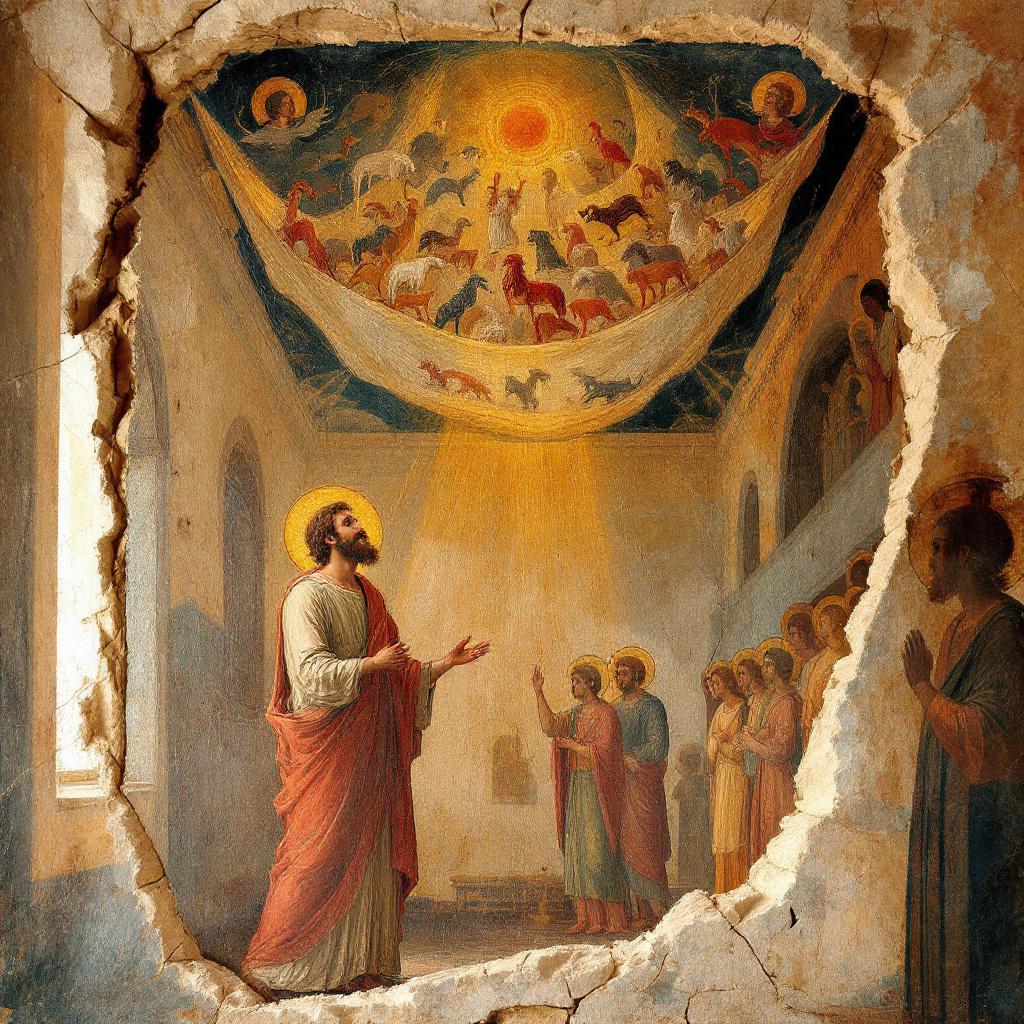
오늘 제1독서는 사도행전 11장 1절부터 18절까지의 말씀으로, 초기 교회의 중요한 전환점을 보여줍니다. 베드로 사도는 야포에서 기도 중 환상을 보았습니다. 하늘에서 내려온 큰 천에 온갖 짐승들이 가득 차 있었고, 하느님의 음성이 “베드로야, 일어나 잡아먹어라”라고 하셨습니다. 베드로는 처음에 거부했으나, 세 번 반복된 음성으로 “하느님께서 깨끗하게 하신 것을 너는 속되다고 하지 마라”는 말씀을 듣습니다. 곧 가이사랴에서 온 세 사람이 도착하고, 성신의 인도로 그들과 함께합니다. 그 집에서 이방인 코르넬리오 일가에게 복음을 전하니 성신이 그들 위에 쏟아집니다. 예루살렘으로 돌아온 베드로는 할례 받은 신자들의 비판을 받지만, 환상과 사건을 차근차근 설명합니다. 결국 그들은 “그렇다면 하느님께서 이방인들에게도 생명에 이르는 회개의 길을 열어주셨다”며 하느님을 찬양합니다. 이 본문은 하느님의 구원이 유대인에 국한되지 않고 모든 민족에게 미친다는 진리를 드러냅니다. 이는 구약의 약속이 성취된 것으로, 하느님의 백성이 메시아를 통해 확장되는 것입니다.
복음은 요한복음 10장 11절부터 18절까지로, 예수님께서 “나는 착한 목자다”라고 선포하십니다. 착한 목자는 양들을 위해 목숨을 내놓습니다. 반면 삯꾼은 양이 자기 것이 아니라고 여기며 이리가 오면 도망칩니다. 예수님은 “나는 내 양들을 알고 내 양들은 나를 안다. 이는 아버지께서 나를 아시고 내가 아버지를 아는 것과 같다”고 하시며, 아버지와의 완전한 일치를 강조하십니다. 특히 “내게는 이 우리 안에 들지 않은 양들도 있다. 나는 그들도 데려와야 한다. 그들도 내 목소리를 듣고 한 목자 아래 한 양 떼가 될 것이다”라는 말씀은 이방인들을 가리킵니다. 이는 제1독서의 베드로 경험과 완벽히 연결됩니다. 예수님의 희생은 모든 인류를 위한 것으로, 아버지의 명령에 따라 목숨을 내려놓으시고 다시 취하시며 부활의 권능을 보여주십니다. 착한 목자의 사랑은 자기 희생으로 완성되며, 이는 교회의 사명인 전례와 성사에서 지속됩니다.
두 독서는 하느님의 보편적 사랑을 강조합니다. 베드로의 환상은 성신의 인도로 이방인 개방을 이끌고, 예수님의 말씀은 그 구체적 근거를 제공합니다. 착한 목자 예수님은 모든 양을 한 떼로 모으시며, 우리는 그 목소리를 듣고 따르는 양이 되어야 합니다. 이 진리는 오늘날 우리에게도 적용되며, 교회는 모든 사람에게 구원의 문을 열어야 합니다. 하느님의 계획은 예수 그리스도를 통해 완성되며, 성신은 우리를 인도하십니다.
묵상 더하기
오늘 말씀을 통해 우리는 하느님의 무한한 사랑을 깊이 새겨야 합니다. 베드로처럼 우리도 때때로 편견이나 두려움으로 하느님의 뜻을 가로막을 수 있습니다. 그러나 환상처럼 성신의 인도를 청하면, 우리 눈이 열리고 주변의 ‘이방인’들, 즉 소외된 이웃들에게 구원의 손을 내밀 수 있습니다. 개인적으로는 매일 기도 시간을 가져 하느님께 “주님, 제 마음을 깨끗하게 하시고 모든 이를 사랑하게 하소서”라고 간청하세요. 착한 목자 예수님의 희생을 묵상하며, 나의 삶에서 양들을 위해 포기한 것이 있는지 돌아보는 시간을 가지십시오. 이 묵상은 우리를 더 겸손하고 자비로운 신자로 성장시킵니다.
가정에서 이 말씀을 실천하려면, 가족 모임을 통해 제1독서와 복음을 함께 읽고 나누십시오. “우리 가족은 하느님의 한 양 떼인가?”라고 물으며, 서로의 약점을 용서하고 격려하는 시간을 가져보세요. 예를 들어, 주말에 함께 이웃을 방문하거나 가난한 이들을 돕는 봉사에 나서며, 하느님의 사랑을 구체적으로 나누십시오. 아이들에게 착한 목자의 이야기를 들려주며, 예수님처럼 희생적인 사랑을 배우게 하십시오. 이러한 가정 예화는 교회의 기본 단위인 가정을 강화하고, 자녀들에게 신앙의 뿌리를 심어줍니다.
본당 공동체에서는 오늘 말씀을 바탕으로 이방인과 소외자를 초대하는 특별 미사를 준비하거나, 성당 앞에서 전도 활동을 펼치십시오. 본당 사제와 신자들이 함께 성신의 은사를 청하며, 미사 후 모임을 통해 신자들의 경험을 공유하세요. 예를 들어, 이민자나 불신자를 위한 대화의 장을 마련하면, 베드로의 경험처럼 하느님의 기적이 일어납니다. 또한, 착한 목자처럼 지도자들이 양 떼를 위해 헌신하도록 독려하는 교육 프로그램을 실시하십시오. 이 모든 노력은 교회를 보편적 구원의 공동체로 세우며, 한 목자 아래 한 양 떼를 이룹니다.
마지막으로, 이 사명을 일상에서 실천합시다. 직장이나 학교에서 만나는 모든 이에게 예수님의 사랑을 전하며, 회개의 길을 안내하는 착한 목자가 되십시오. 하느님의 은총으로 이 길을 걸으며, 영원한 목자로서의 예수님을 따르십시오. 매일의 작은 희생이 하느님 나라를 건설합니다.
오늘의 용어 해설
- 하느님: 모든 것을 창조하시고 다스리시는 절대적 존재로, 사랑과 자비의 근원이며 삼위일체의 첫 번째 위격이십니다.
- 구원: 하느님께서 예수 그리스도의 십자가 희생과 부활을 통해 인류를 죄와 죽음에서 해방시키시는 구체적 행위입니다.
- 회개: 죄를 깨닫고 마음을 돌이켜 하느님께로 돌아서는 전환으로, 세례와 고해성사의 첫걸음입니다.
- 착한 목자: 예수 그리스도를 비유한 표현으로, 양들을 위해 목숨을 바치는 무조건적 사랑과 헌신을 상징합니다.
- 성신: 하느님의 세 번째 위격으로, 신자들을 인도하시고 힘을 주시며 교회를 생동케 하시는 분입니다.
💡 더 많은 내용을 알고 싶다면 [2026년 04월 28일 매일미사 묵상](https://franciscodiary.com/daily-mass-reflection-2026-04-28/)을 확인해 보세요.
💡 더 자세한 묵상 내용을 원하신다면 [2026년 04월 29일 매일미사 묵상](https://franciscodiary.com/daily-mass-reflection-2026-04-29/)을 확인해 보세요.
💡 이 주제에 대해 더 알고 싶다면 [2026년 05월 01일 매일미사 묵상](https://franciscodiary.com/daily-mass-reflection-2026-05-01/)을 확인해 보세요.
💡 이 주제에 대해 더 알고 싶다면, [2026년 05월 03일 매일미사 묵상](https://franciscodiary.com/daily-mass-meditation-2026-05-03/) 기사를 확인해 보세요.
💡 이 주제에 대해 더 알고 싶다면, [2026년 05월 08일 매일미사 묵상](https://franciscodiary.com/2026-05-08-daily-mass-reflection-love/)을 확인해 보세요.
💡 더 궁금한 점이 있으시다면, [2026년 05월 28일 매일미사 묵상](https://franciscodiary.com/2026-05-28-daily-mass-reflection-faith-of-bartimaeus/)을 확인해 보세요.
💡 더 많은 묵상 내용을 원하신다면, [2026년 05월 29일 매일미사 묵상](https://franciscodiary.com/daily-mass-reflection-2026-05-29/)을 확인해 보세요.
💡 더 깊이 있는 묵상을 원하신다면, 2026년 06월 01일 매일미사 묵상을 확인해 보세요.
💡 이와 관련하여 더 자세한 내용을 알고 싶다면 [2026년 06월 02일 매일미사 묵상](https://franciscodiary.com/daily-mass-reflection-2026-06-02/)을 확인해 보세요.
Commentary
Today’s first reading is from the Acts of the Apostles, chapter 11, verses 1 to 18, which illustrates a significant turning point in the early Church. The Apostle Peter had a vision while praying in Joppa. A large sheet descended from heaven filled with all kinds of animals, and a voice from God said, “Peter, rise, kill and eat.” Peter initially refused, but he heard the voice repeat three times, “What God has made clean, you must not call common.” Soon, three men from Caesarea arrived, and, guided by the Holy Spirit, he went with them. In that house, he preached the Gospel to the Gentile Cornelius and his household, and the Holy Spirit was poured out upon them. When Peter returned to Jerusalem, he faced criticism from the circumcised believers, but he explained the vision and events step by step. Ultimately, they praised God, saying, “Then to the Gentiles also God has granted repentance that leads to life.” This passage reveals the truth that God’s salvation is not limited to the Jews but extends to all nations. This fulfills the promises of the Old Testament, as God’s people are expanded through the Messiah.
The Gospel is from John 10:11-18, where Jesus proclaims, “I am the good shepherd.” The good shepherd lays down his life for the sheep. In contrast, the hired hand, who does not own the sheep, sees the wolf coming and leaves the sheep and flees. Jesus says, “I know my own and my own know me, just as the Father knows me and I know the Father,” emphasizing His perfect unity with the Father. Notably, He states, “I have other sheep that are not of this fold. I must bring them also, and they will hear my voice, and there will be one flock, one shepherd,” referring to the Gentiles. This perfectly connects with Peter’s experience in the first reading. Jesus’ sacrifice is for all humanity, as He lays down His life and takes it up again, demonstrating the power of the resurrection. The love of the good shepherd is fulfilled in self-sacrifice, which continues in the Church’s mission of liturgy and sacraments.
Both readings emphasize God’s universal love. Peter’s vision, guided by the Holy Spirit, leads to the opening to the Gentiles, while Jesus’ words provide the concrete basis for this. The good shepherd, Jesus, gathers all the sheep into one flock, and we must be the sheep who hear and follow His voice. This truth applies to us today, and the Church must open the door of salvation to all people. God’s plan is fulfilled through Jesus Christ, and the Holy Spirit guides us.
Reflection
Through today’s message, we must deeply reflect on God’s infinite love. Like Peter, we can sometimes obstruct God’s will with our prejudices or fears. However, if we ask for the guidance of the Holy Spirit like in the vision, our eyes will be opened, allowing us to reach out to the ‘Gentiles’ around us, namely, our marginalized neighbors. Personally, set aside daily prayer time to ask God, “Lord, cleanse my heart and help me to love everyone.” As you meditate on the sacrifice of the good shepherd Jesus, take time to reflect on what you have given up for the sheep in your life. This reflection will help us grow into more humble and compassionate believers.
To practice this message at home, gather your family to read and discuss the first reading and the Gospel together. Ask, “Is our family one flock of God?” and take time to forgive and encourage one another in each other’s weaknesses. For example, visit neighbors together over the weekend or engage in service to help the poor, sharing God’s love concretely. Share the story of the good shepherd with your children, teaching them to learn sacrificial love like Jesus. Such family examples strengthen the family, the basic unit of the Church, and plant the roots of faith in the hearts of children.
In the parish community, prepare a special Mass inviting Gentiles and the marginalized based on today’s message, or engage in evangelization activities in front of the church. Parish priests and believers should seek the gifts of the Holy Spirit together, sharing experiences in gatherings after Mass. For instance, creating a dialogue space for immigrants or non-believers can lead to God’s miracles, just like Peter’s experience. Additionally, implement educational programs encouraging leaders to dedicate themselves to the flock like the good shepherd. All these efforts will establish the Church as a community of universal salvation, forming one flock under one shepherd.
Finally, let us practice this mission in our daily lives. Be a good shepherd who shares Jesus’ love with everyone you meet at work or school, guiding them on the path of repentance. Walk this path by God’s grace, following Jesus as the eternal shepherd. Daily small sacrifices build the Kingdom of God.
Glossary of Terms
- God: The absolute being who creates and governs all, the source of love and mercy, and the first person of the Holy Trinity.
- Salvation: The concrete act by which God liberates humanity from sin and death through the sacrifice and resurrection of Jesus Christ.
- Repentance: The turning back to God through the realization of sin, marking the first step toward baptism and the sacrament of reconciliation.
- Good Shepherd: A metaphorical expression for Jesus Christ, symbolizing unconditional love and dedication that lays down one’s life for the sheep.
- Holy Spirit: The third person of the Holy Trinity, who guides and empowers believers and enlivens the Church.
💡 For more information, check out the [Daily Mass Reflection for April 28, 2026](https://franciscodiary.com/daily-mass-reflection-2026-04-28/).
💡 For a more detailed reflection, see the [Daily Mass Reflection for April 29, 2026](https://franciscodiary.com/daily-mass-reflection-2026-04-29/).
本文解说
今天的第一读经是《使徒行传》11章1节至18节的经文,展示了初期教会的重要转折点。彼得宗徒在雅波祷告时看见了异象。天空降下一个大布,里面装满了各种兽类,上面传来天主的声音说:“彼得,起来,宰了吃。”彼得起初拒绝,但听到声音三次重复说:“天主所洁净的,你不可当作污秽。”不久,从凯撒利亚来的三个人到达,圣神引导他与他们同去。在那家,他向外邦人哥尔尼流一家传福音,圣神降临在他们身上。彼得回到耶路撒冷后受到受割礼信徒的批评,但他逐一解释异象和事件。最终,他们赞美天主说:“那么,天主也给外邦人开了通往生命的悔改之路。”这段经文揭示了天主的救恩并不限于犹太人,而是普及到所有民族。这是旧约应许的实现,天主的子民通过弥赛亚得以扩展。
福音是《约翰福音》10章11节至18节,耶稣宣告:“我是好牧人。”好牧人为羊舍命。相反,雇工认为羊不是自己的,狼来了就逃跑。耶稣说:“我认识我的羊,我的羊也认识我。这就像父亲认识我,我也认识父亲。”强调了与父亲的完全一致。特别是“我还有些不在这个圈子里的羊,我必须把他们带来,他们也要听我的声音,成为一个牧人下一群羊。”这句话指的是外邦人。这与第一读经中的彼得经历完美相连。耶稣的牺牲是为全人类,按照父亲的命令舍命并复活,显示出复活的权能。好牧人的爱通过自我牺牲得以完成,并在教会的礼仪和圣事中持续。
这两段经文强调了天主的普遍之爱。彼得的异象在圣神的引导下开启了对外邦人的接纳,而耶稣的话则提供了具体的依据。好牧人耶稣将所有的羊聚集在一起,我们应当成为听从并跟随他声音的羊。这一真理今天同样适用,教会应当向所有人敞开救恩之门。天主的计划通过耶稣基督得以实现,圣神引导着我们。
默想延伸
通过今天的经文,我们应深刻铭记天主的无限爱。像彼得一样,我们有时也会因偏见或恐惧而阻碍天主的旨意。然而,若我们像异象中那样请求圣神的引导,我们的眼睛就会被打开,能够向周围的“外邦人”,即被边缘化的邻居伸出救援之手。个人而言,每天花时间祈祷,向天主恳求:“主啊,请洁净我的心,使我能够爱所有人。”默想好牧人耶稣的牺牲,反思自己在生活中是否有为羊群放弃的东西。这种默想使我们成为更谦卑和仁慈的信徒。
在家庭中实践这段经文,可以通过家庭聚会共同阅读和分享第一读经和福音。问问“我们的家庭是否是天主的一群羊?”并花时间互相宽恕和鼓励。例如,周末一起拜访邻居或参与帮助贫困者的服务,具体分享天主的爱。给孩子们讲述好牧人的故事,让他们学习像耶稣一样的无私之爱。这些家庭的例子加强了教会的基本单位——家庭,并为孩子们扎下信仰的根基。
在本堂共同体中,可以根据今天的经文准备特别的弥撒,邀请外邦人和被边缘化者,或在教堂前开展传教活动。与本堂神父和信徒一起请求圣神的恩赐,并在弥撒后通过聚会分享信徒的经历。例如,为移民或不信者提供对话的平台,就像彼得的经历一样,天主的奇迹将会发生。此外,鼓励领导者像好牧人一样为羊群奉献的培训项目。所有这些努力将使教会成为普遍救恩的共同体,成为一个牧人下一群羊。
最后,让我们在日常生活中实践这一使命。在工作或学校中向遇到的每一个人传达耶稣的爱,成为引导他们走向悔改之路的好牧人。在天主的恩典中走这条路,跟随永恒的牧人耶稣。每日的小牺牲将建设天主的国度。
今天的术语解说
- 天主: 创造和统治一切的绝对存在,是爱与慈悲的源泉,也是三位一体的第一位格。
- 救恩: 天主通过耶稣基督的十字架牺牲和复活,具体地解放人类于罪与死亡的行为。
- 悔改: 觉悟罪过,转心归向天主的转变,是接受洗礼和告解圣事的第一步。
- 好牧人: 用来比喻耶稣基督的表达,象征为羊群舍命的无条件的爱与奉献。
- 圣神: 天主的第三位格,引导信徒,赋予力量,使教会充满生机。
💡 想了解更多内容,请查看 [2026年04月28日每日弥撒默想](https://franciscodiary.com/daily-mass-reflection-2026-04-28/)。
💡 如果您想要更详细的默想内容,请查看 [2026年04月29日每日弥撒默想](https://franciscodiary.com/daily-mass-reflection-2026-04-29/)。
Exégesis del texto
La primera lectura de hoy es del libro de los Hechos de los Apóstoles, capítulo 11, versículos 1 al 18, y muestra un importante punto de inflexión en la Iglesia primitiva. El apóstol Pedro tuvo una visión mientras oraba en Jaffa. Un gran lienzo descendió del cielo, lleno de toda clase de animales, y la voz de Dios le dijo: “Pedro, levántate, mata y come”. Pedro, al principio, se negó, pero escuchó la voz que repetía tres veces: “No llames impuro a lo que Dios ha purificado”. Pronto llegaron tres hombres de Cesarea, y guiados por el Espíritu Santo, se unió a ellos. En su casa, Pedro predicó el Evangelio a la familia del gentil Cornelio, y el Espíritu Santo se derramó sobre ellos. Al regresar a Jerusalén, Pedro fue criticado por los creyentes circuncidados, pero explicó pacientemente la visión y el acontecimiento. Finalmente, ellos alabaron a Dios, diciendo: “Así que Dios también ha concedido a los gentiles el arrepentimiento que lleva a la vida”. Este pasaje revela la verdad de que la salvación de Dios no está limitada a los judíos, sino que se extiende a todas las naciones. Esto es el cumplimiento de la promesa del Antiguo Testamento, donde el pueblo de Dios se expande a través del Mesías.
El Evangelio es del libro de Juan, capítulo 10, versículos 11 al 18, donde Jesús proclama: “Yo soy el buen pastor”. El buen pastor da su vida por las ovejas. En cambio, el asalariado, que no es el pastor y a quien no le pertenecen las ovejas, ve venir al lobo y huye. Jesús dice: “Yo conozco a mis ovejas y ellas me conocen a mí, así como el Padre me conoce a mí y yo conozco al Padre”, enfatizando la perfecta unidad con el Padre. En particular, su declaración: “Tengo otras ovejas que no son de este redil; también a ellas debo traer, y escucharán mi voz, y habrá un solo rebaño y un solo pastor”, se refiere a los gentiles. Esto se conecta perfectamente con la experiencia de Pedro en la primera lectura. El sacrificio de Jesús es por toda la humanidad, quien, obedeciendo al mandato del Padre, entrega su vida y la toma de nuevo, mostrando el poder de la resurrección. El amor del buen pastor se completa en su auto-sacrificio, y se perpetúa en la misión de la Iglesia a través de la liturgia y los sacramentos.
Ambas lecturas enfatizan el amor universal de Dios. La visión de Pedro, guiada por el Espíritu Santo, conduce a la apertura hacia los gentiles, y las palabras de Jesús proporcionan la base concreta para ello. El buen pastor Jesús reúne a todas las ovejas en un solo rebaño, y debemos ser las ovejas que escuchan y siguen su voz. Esta verdad se aplica también a nosotros hoy, y la Iglesia debe abrir la puerta de la salvación a todas las personas. El plan de Dios se cumple a través de Jesucristo, y el Espíritu Santo nos guía.
Reflexión adicional
A través de la Palabra de hoy, debemos grabar profundamente el amor infinito de Dios. Al igual que Pedro, a veces podemos obstaculizar la voluntad de Dios por prejuicios o miedos. Sin embargo, si pedimos la guía del Espíritu Santo como en la visión, nuestros ojos se abrirán y podremos extender la mano de la salvación a los ‘gentiles’ a nuestro alrededor, es decir, a nuestros vecinos marginados. A nivel personal, dedique un tiempo diario para orar y pida a Dios: “Señor, purifica mi corazón y ayúdame a amar a todos”. Medite sobre el sacrificio del buen pastor Jesús y reflexione si hay algo que ha renunciado por las ovejas en su vida. Esta meditación nos hará crecer como creyentes más humildes y misericordiosos.
Para poner en práctica esta Palabra en el hogar, lea y comparta la primera lectura y el Evangelio en una reunión familiar. Pregúntese: “¿Es nuestra familia un solo rebaño de Dios?” y tómese un tiempo para perdonarse y animarse mutuamente en sus debilidades. Por ejemplo, durante el fin de semana, visiten juntos a los vecinos o participen en un servicio para ayudar a los pobres, compartiendo concretamente el amor de Dios. Cuente a los niños la historia del buen pastor y enséñeles a aprender el amor sacrificial como Jesús. Estas ilustraciones familiares fortalecen la unidad del hogar, que es la base de la Iglesia, y siembran raíces de fe en los hijos.
En la comunidad parroquial, prepare una misa especial que invite a los gentiles y marginados, o realice actividades de evangelización frente a la iglesia basadas en la Palabra de hoy. Los sacerdotes y fieles de la parroquia deben pedir juntos los dones del Espíritu Santo y compartir las experiencias de los fieles en un encuentro después de la misa. Por ejemplo, si se crea un espacio de diálogo para inmigrantes o no creyentes, ocurrirán milagros de Dios, como en la experiencia de Pedro. Además, implemente programas educativos que alienten a los líderes a dedicarse a las ovejas, como el buen pastor. Todos estos esfuerzos construyen la Iglesia como una comunidad de salvación universal, formando un solo rebaño bajo un solo pastor.
Finalmente, pongamos en práctica esta misión en nuestra vida diaria. Sea un buen pastor que transmita el amor de Jesús a todos los que encuentre en el trabajo o en la escuela, guiándolos por el camino del arrepentimiento. Caminemos por este sendero con la gracia de Dios, siguiendo a Jesús como el pastor eterno. Cada pequeño sacrificio diario construye el Reino de Dios.
Glosario de términos de hoy
- Dios: Ser absoluto que crea y gobierna todo, fuente de amor y misericordia, y primera persona de la Trinidad.
- Salvación: Acto concreto de liberar a la humanidad del pecado y de la muerte a través del sacrificio y la resurrección de Jesucristo.
- Arrepentimiento: Conversión que implica reconocer el pecado y volver a Dios, siendo el primer paso hacia el bautismo y la confesión.
- Buen Pastor: Expresión que se refiere a Jesucristo, simbolizando el amor incondicional y la dedicación que da su vida por las ovejas.
- Espíritu Santo: Tercera persona de la Trinidad, que guía y fortalece a los creyentes y da vida a la Iglesia.
💡 Si desea conocer más, consulte la [reflexión de la misa diaria del 28 de abril de 2026](https://franciscodiary.com/daily-mass-reflection-2026-04-28/).
💡 Si desea una reflexión más detallada, consulte la [reflexión de la misa diaria del 29 de abril de 2026](https://franciscodiary.com/daily-mass-reflection-2026-04-29/).
Interprétation du texte
Aujourd’hui, la première lecture est tirée des Actes des Apôtres, chapitre 11, versets 1 à 18, et montre un tournant important dans l’Église primitive. L’apôtre Pierre a eu une vision en prière à Joppé. Un grand drap est descendu du ciel, rempli de toutes sortes d’animaux, et la voix de Dieu lui a dit : “Pierre, lève-toi, tue et mange.” Pierre a d’abord refusé, mais il a entendu la voix répétée trois fois lui dire : “Ne considère pas comme impur ce que Dieu a purifié.” Peu après, trois hommes venus de Césarée arrivent, et, guidés par l’Esprit Saint, il les accompagne. Dans cette maison, il prêche l’Évangile à la famille du païen Corneille, et l’Esprit Saint se répand sur eux. De retour à Jérusalem, Pierre est critiqué par les croyants circoncis, mais il explique calmement la vision et les événements. Finalement, ils louent Dieu en disant : “Alors, Dieu a aussi accordé aux païens la repentance qui mène à la vie.” Ce passage révèle la vérité que le salut de Dieu ne se limite pas aux Juifs, mais s’étend à toutes les nations. Cela accomplit la promesse de l’Ancien Testament, où le peuple de Dieu s’élargit à travers le Messie.
L’Évangile est tiré de l’Évangile selon Jean, chapitre 10, versets 11 à 18, où Jésus déclare : “Je suis le bon pasteur.” Le bon pasteur donne sa vie pour ses brebis. En revanche, le mercenaire considère que les brebis ne lui appartiennent pas et s’enfuit lorsque le loup arrive. Jésus dit : “Je connais mes brebis et mes brebis me connaissent. C’est comme le Père me connaît et que je connais le Père.” Il souligne ainsi l’union parfaite avec le Père. En particulier, il dit : “J’ai d’autres brebis qui ne sont pas de cette bergerie. Il faut que je les amène aussi. Elles écouteront ma voix et il y aura un seul troupeau, un seul pasteur.” Cela fait référence aux païens et se connecte parfaitement à l’expérience de Pierre dans la première lecture. Le sacrifice de Jésus est pour toute l’humanité, obéissant au commandement du Père, il donne sa vie, la reprend et montre le pouvoir de la résurrection. L’amour du bon pasteur se réalise par le sacrifice de soi, et cela se poursuit dans la mission de l’Église à travers la liturgie et les sacrements.
Les deux lectures soulignent l’amour universel de Dieu. La vision de Pierre, guidée par l’Esprit Saint, ouvre la voie à l’accueil des païens, et les paroles de Jésus en fournissent la base concrète. Le bon pasteur Jésus rassemble toutes les brebis en un seul troupeau, et nous devons être ces brebis qui écoutent et suivent sa voix. Cette vérité s’applique également à nous aujourd’hui, et l’Église doit ouvrir la porte du salut à tous. Le plan de Dieu s’accomplit à travers Jésus-Christ, et l’Esprit Saint nous guide.
Méditation supplémentaire
À travers la parole d’aujourd’hui, nous devons profondément inscrire l’amour infini de Dieu dans nos cœurs. Comme Pierre, nous pouvons parfois laisser nos préjugés ou nos peurs nous empêcher de comprendre la volonté de Dieu. Cependant, en demandant la guidance de l’Esprit Saint comme dans la vision, nos yeux s’ouvriront et nous pourrons tendre la main aux “païens” autour de nous, c’est-à-dire aux voisins marginalisés. Personnellement, prenez un temps de prière chaque jour pour demander à Dieu : “Seigneur, purifie mon cœur et fais que j’aime tous les êtres.” Méditez sur le sacrifice du bon pasteur Jésus et réfléchissez à ce que vous avez renoncé pour les brebis dans votre vie. Cette méditation nous fait grandir en humilité et en miséricorde en tant que croyants.
Pour mettre en pratique cette parole en famille, lisez et partagez ensemble la première lecture et l’Évangile lors d’une réunion familiale. Posez-vous la question : “Notre famille est-elle un seul troupeau de Dieu ?” Prenez le temps de vous pardonner mutuellement et de vous encourager. Par exemple, visitez des voisins ensemble le week-end ou engagez-vous dans des œuvres de charité pour aider les pauvres, partageant ainsi l’amour de Dieu de manière concrète. Racontez aux enfants l’histoire du bon pasteur et apprenez-leur l’amour sacrificiel à la manière de Jésus. Ces exemples familiaux renforcent la cellule de base de l’Église et enracinent la foi chez les enfants.
Dans la communauté paroissiale, préparez une messe spéciale invitant les païens et les exclus, ou organisez des activités d’évangélisation devant l’église, basées sur la parole d’aujourd’hui. Les prêtres et les fidèles de la paroisse doivent demander ensemble les dons de l’Esprit Saint et partager les expériences des fidèles lors d’une réunion après la messe. Par exemple, en créant un espace de dialogue pour les immigrés ou les non-croyants, des miracles de Dieu peuvent se produire comme dans l’expérience de Pierre. De plus, mettez en place des programmes de formation pour encourager les dirigeants à se consacrer aux brebis, à l’image du bon pasteur. Tous ces efforts établiront l’Église comme une communauté de salut universel, formant un seul troupeau sous un seul pasteur.
Enfin, mettons cette mission en pratique dans notre quotidien. Soyez un bon pasteur qui transmet l’amour de Jésus à tous ceux que vous rencontrez au travail ou à l’école, en guidant sur le chemin de la repentance. Marchez sur ce chemin par la grâce de Dieu, en suivant Jésus en tant que pasteur éternel. Chaque petit sacrifice quotidien construit le royaume de Dieu.
Interprétation des termes d’aujourd’hui
- Dieu : Être absolu qui crée et gouverne tout, source d’amour et de miséricorde, et première personne de la Trinité.
- Salut : Acte concret par lequel Dieu libère l’humanité du péché et de la mort par le sacrifice et la résurrection de Jésus-Christ.
- Repentance : Changement de cœur et retour vers Dieu après avoir pris conscience de ses péchés, premier pas vers le baptême et la confession.
- Bon pasteur : Expression qui fait référence à Jésus-Christ, symbolisant l’amour inconditionnel et le dévouement qui donne sa vie pour les brebis.
- Esprit Saint : Troisième personne de la Trinité, qui guide et fortifie les croyants et vivifie l’Église.
💡 Pour en savoir plus, consultez la [méditation quotidienne du 28 avril 2026](https://franciscodiary.com/daily-mass-reflection-2026-04-28/).
💡 Pour des réflexions plus détaillées, consultez la [méditation quotidienne du 29 avril 2026](https://franciscodiary.com/daily-mass-reflection-2026-04-29/).
Textauslegung
Heute ist die erste Lesung aus der Apostelgeschichte, Kapitel 11, Verse 1 bis 18, und zeigt einen wichtigen Wendepunkt der frühen Kirche. Der Apostel Petrus hatte während des Gebets in Joppe eine Vision. Ein großes Tuch, das vom Himmel herabkam, war mit allerlei Tieren gefüllt, und die Stimme Gottes sprach: „Petrus, stehe auf, schlachte und iss.“ Petrus weigerte sich zunächst, aber die Stimme wiederholte dreimal: „Was Gott rein gemacht hat, das nenne du nicht gemein.“ Bald darauf kamen drei Männer aus Cäsarea, und geleitet vom Heiligen Geist ging er mit ihnen. In diesem Haus verkündete er das Evangelium der Heidenfamilie des Kornelius, und der Heilige Geist wurde über sie ausgegossen. Als Petrus nach Jerusalem zurückkehrte, wurde er von den beschnittenen Gläubigen kritisiert, aber er erklärte ihnen Schritt für Schritt die Vision und die Ereignisse. Schließlich lobten sie Gott und sagten: „So hat Gott auch den Heiden die Umkehr zum Leben gegeben.“ Dieser Text offenbart die Wahrheit, dass Gottes Heil nicht nur auf die Juden beschränkt ist, sondern allen Völkern zuteilwird. Dies ist die Erfüllung der Verheißung des Alten Testaments, dass das Volk Gottes durch den Messias erweitert wird.
Das Evangelium ist aus dem Johannes-Evangelium, Kapitel 10, Verse 11 bis 18, in dem Jesus erklärt: „Ich bin der gute Hirte.“ Der gute Hirte gibt sein Leben für die Schafe. Im Gegensatz dazu flieht der Mietling, weil die Schafe nicht sein Eigen sind, wenn der Wolf kommt. Jesus sagt: „Ich kenne meine Schafe und meine Schafe kennen mich. So wie der Vater mich kennt und ich den Vater kenne.“ Er betont die vollkommene Einheit mit dem Vater. Besonders die Aussage: „Ich habe noch andere Schafe, die nicht aus diesem Stall sind. Auch diese muss ich herführen. Sie werden meine Stimme hören und es wird eine Herde und ein Hirte sein“ bezieht sich auf die Heiden. Dies steht in perfektem Zusammenhang mit Petrus’ Erfahrung in der ersten Lesung. Das Opfer Jesu ist für die gesamte Menschheit, er legt sein Leben gemäß dem Befehl des Vaters nieder und nimmt es wieder auf, um die Macht der Auferstehung zu zeigen. Die Liebe des guten Hirten wird durch Selbstaufopferung vollendet und setzt sich in der Liturgie und den Sakramenten der Kirche fort.
Beide Lesungen betonen die universelle Liebe Gottes. Petrus’ Vision führt unter der Leitung des Heiligen Geistes zur Öffnung für die Heiden, und die Worte Jesu bieten die konkrete Grundlage dafür. Der gute Hirte Jesus versammelt alle Schafe zu einer Herde, und wir müssen die Schafe sein, die seine Stimme hören und ihm folgen. Diese Wahrheit gilt auch für uns heute, und die Kirche muss allen Menschen die Tür zum Heil öffnen. Gottes Plan wird durch Jesus Christus vollendet, und der Heilige Geist führt uns.
Meditation hinzufügen
Durch das heutige Wort sollen wir die unendliche Liebe Gottes tief verinnerlichen. Wie Petrus können auch wir manchmal durch Vorurteile oder Ängste den Willen Gottes behindern. Doch wenn wir um die Führung des Heiligen Geistes bitten, werden unsere Augen geöffnet, und wir können den „Heiden“ um uns herum, also den benachteiligten Nachbarn, die Hand des Heils reichen. Persönlich sollten wir täglich eine Gebetszeit einplanen und Gott bitten: „Herr, reinige mein Herz und lass mich alle Menschen lieben.“ Meditieren Sie über das Opfer des guten Hirten Jesus und nehmen Sie sich Zeit, um zu reflektieren, ob es in Ihrem Leben etwas gibt, das Sie für die Schafe aufgegeben haben. Diese Meditation lässt uns zu demütigeren und barmherzigeren Gläubigen heranwachsen.
Um dieses Wort in der Familie zu praktizieren, lesen und teilen Sie die erste Lesung und das Evangelium bei einem Familienabend. Fragen Sie: „Sind wir eine Herde Gottes?“ und nehmen Sie sich Zeit, um einander Schwächen zu vergeben und zu ermutigen. Zum Beispiel können Sie am Wochenende gemeinsam Nachbarn besuchen oder sich in einem Dienst für die Armen engagieren und die Liebe Gottes konkret teilen. Erzählen Sie den Kindern die Geschichte des guten Hirten und lehren Sie sie, opferbereite Liebe wie Jesus zu lernen. Diese familiären Beispiele stärken die Familie als grundlegende Einheit der Kirche und pflanzen den Glauben in die Herzen der Kinder.
In der Pfarrgemeinde bereiten Sie eine besondere Messe vor, die auf dem heutigen Wort basiert, um die Heiden und Ausgegrenzten einzuladen, oder führen Sie Evangelisationsaktivitäten vor der Kirche durch. Die Pfarrpriester und Gläubigen bitten gemeinsam um die Gaben des Heiligen Geistes und teilen nach der Messe Erfahrungen. Zum Beispiel, wenn Sie einen Dialograum für Einwanderer oder Ungläubige schaffen, wird Gottes Wunder wie in Petrus’ Erfahrung geschehen. Darüber hinaus sollten Sie Schulungsprogramme durchführen, die die Leiter ermutigen, sich für die Herde zu opfern, wie der gute Hirte. All diese Bemühungen werden die Kirche als Gemeinschaft des universellen Heils aufbauen und eine Herde unter einem Hirten bilden.
Schließlich lassen Sie uns diese Mission im Alltag umsetzen. Seien Sie ein guter Hirte, der allen, die Sie bei der Arbeit oder in der Schule treffen, die Liebe Jesu verkündet und den Weg zur Umkehr weist. Gehen Sie diesen Weg in der Gnade Gottes und folgen Sie Jesus als dem ewigen Hirten. Kleine tägliche Opfer bauen das Reich Gottes auf.
Erläuterung der Begriffe des heutigen Tages
- Gott: Das absolute Wesen, das alles erschaffen und regiert hat, die Quelle von Liebe und Barmherzigkeit und die erste Person der Heiligen Dreifaltigkeit.
- Heil: Der konkrete Akt, durch den Gott die Menschheit durch das Opfer und die Auferstehung Jesu Christi von Sünde und Tod befreit.
- Umkehr: Der Prozess des Erkennens der Sünde und der Wendung des Herzens zu Gott, der erste Schritt zu Taufe und Beichte.
- Guter Hirte: Eine bildhafte Bezeichnung für Jesus Christus, die bedingungslose Liebe und Hingabe symbolisiert, die sein Leben für die Schafe gibt.
- Heiliger Geist: Die dritte Person der Heiligen Dreifaltigkeit, die die Gläubigen führt, stärkt und die Kirche lebendig macht.
💡 Wenn Sie mehr erfahren möchten, schauen Sie sich bitte die [Tägliche Messe Meditation vom 28. April 2026](https://franciscodiary.com/daily-mass-reflection-2026-04-28/) an.
💡 Wenn Sie detailliertere Meditationsinhalte wünschen, schauen Sie sich bitte die [Tägliche Messe Meditation vom 29. April 2026](https://franciscodiary.com/daily-mass-reflection-2026-04-29/) an.
Commento al Testo
Oggi la prima lettura è tratta dagli Atti degli Apostoli, capitolo 11, versetti 1-18, e mostra un importante punto di svolta nella Chiesa primitiva. L’apostolo Pietro ha avuto una visione mentre pregava a Joppe. Un grande lenzuolo sceso dal cielo era pieno di ogni sorta di animali, e la voce di Dio gli diceva: “Pietro, alzati, uccidi e mangia”. Pietro inizialmente rifiuta, ma ascolta la voce che ripete tre volte: “Non chiamare impuro ciò che Dio ha purificato”. Poco dopo, arrivano tre uomini da Cesarea, e guidati dallo Spirito Santo, Pietro va con loro. Nella casa di Cornelio, un gentile, annuncia il Vangelo e lo Spirito Santo si riversa su di loro. Tornato a Gerusalemme, Pietro viene criticato dai credenti circoncisi, ma spiega con calma la visione e l’evento. Alla fine, lodano Dio dicendo: “Allora Dio ha concesso anche ai gentili la conversione che porta alla vita”. Questo passo rivela la verità che la salvezza di Dio non è limitata agli ebrei, ma si estende a tutte le nazioni. Questo è il compimento della promessa dell’Antico Testamento, in cui il popolo di Dio si espande attraverso il Messia.
Il Vangelo è tratto dal Vangelo di Giovanni, capitolo 10, versetti 11-18, dove Gesù proclama: “Io sono il buon pastore”. Il buon pastore dà la vita per le sue pecore. Al contrario, il mercenario scappa quando vede arrivare il lupo, perché le pecore non sono sue. Gesù dice: “Io conosco le mie pecore e le mie pecore conoscono me. Come il Padre conosce me e io conosco il Padre”, sottolineando la perfetta unità con il Padre. In particolare, dice: “Ho altre pecore che non sono di questo ovile. Anche quelle devo condurre; ascolteranno la mia voce e diventeranno un solo gregge con un solo pastore”, riferendosi ai gentili. Questo si collega perfettamente all’esperienza di Pietro nella prima lettura. Il sacrificio di Gesù è per tutta l’umanità, e obbedendo al comando del Padre, egli dà la sua vita, la riprende e mostra il potere della risurrezione. L’amore del buon pastore si compie nel sacrificio di sé, e continua nella liturgia e nei sacramenti, che sono la missione della Chiesa.
Entrambe le letture sottolineano l’amore universale di Dio. La visione di Pietro, guidata dallo Spirito Santo, porta all’apertura verso i gentili, e le parole di Gesù forniscono la base concreta. Il buon pastore Gesù raduna tutte le pecore in un solo gregge, e noi dobbiamo essere le pecore che ascoltano e seguono la sua voce. Questa verità si applica anche a noi oggi, e la Chiesa deve aprire le porte della salvezza a tutti. Il piano di Dio si compie attraverso Gesù Cristo, e lo Spirito Santo ci guida.
Riflessione
Attraverso la Parola di oggi, dobbiamo profondamente interiorizzare l’infinito amore di Dio. Come Pietro, anche noi a volte possiamo ostacolare la volontà di Dio a causa di pregiudizi o paure. Tuttavia, se chiediamo la guida dello Spirito Santo come nella visione, i nostri occhi si apriranno e potremo tendere la mano di salvezza verso gli “stranieri”, cioè i nostri vicini emarginati. A livello personale, prenditi del tempo ogni giorno per pregare e chiedere a Dio: “Signore, purifica il mio cuore e aiutami ad amare tutti”. Medita sul sacrificio del buon pastore Gesù e rifletti su cosa hai rinunciato nella tua vita per le pecore. Questa riflessione ci fa crescere come cristiani più umili e misericordiosi.
Per mettere in pratica questa Parola in famiglia, leggi e condividi la prima lettura e il Vangelo durante un incontro familiare. Chiedi: “La nostra famiglia è un unico gregge di Dio?” e prenditi del tempo per perdonare e incoraggiarti a vicenda. Ad esempio, nel fine settimana, visita insieme i vicini o partecipa a un servizio per aiutare i poveri, condividendo concretamente l’amore di Dio. Racconta ai bambini la storia del buon pastore, insegnando loro l’amore sacrificiali di Gesù. Questi esempi familiari rafforzano la famiglia, che è l’unità fondamentale della Chiesa, e piantano radici di fede nei figli.
Nella comunità parrocchiale, prepara una Messa speciale basata sulla Parola di oggi per invitare stranieri ed emarginati, oppure svolgi attività di evangelizzazione davanti alla chiesa. I sacerdoti e i fedeli della parrocchia chiedono insieme i doni dello Spirito Santo e condividono le esperienze dei fedeli dopo la Messa. Ad esempio, se crei uno spazio di dialogo per immigrati o non credenti, si verificheranno miracoli di Dio, come nell’esperienza di Pietro. Inoltre, incoraggia i leader a dedicarsi per il gregge, realizzando programmi di formazione. Tutti questi sforzi costruiscono la Chiesa come comunità di salvezza universale, formando un solo gregge sotto un solo pastore.
Infine, mettiamo in pratica questa missione nella vita quotidiana. Sii un buon pastore per tutti coloro che incontri al lavoro o a scuola, portando l’amore di Gesù e guidando verso la via della conversione. Cammina su questo cammino con la grazia di Dio, seguendo Gesù come pastore eterno. Ogni piccolo sacrificio quotidiano costruisce il Regno di Dio.
Glossario dei Termini di Oggi
- Dio: Essere assoluto che crea e governa tutto, fonte di amore e misericordia, e prima persona della Santissima Trinità.
- Salvezza: Atto concreto con cui Dio libera l’umanità dal peccato e dalla morte attraverso il sacrificio e la risurrezione di Gesù Cristo.
- Conversione: Cambiamento di cuore e ritorno a Dio, riconoscendo il peccato, primo passo verso il battesimo e la confessione.
- Buon Pastore: Espressione che si riferisce a Gesù Cristo, simboleggiando l’amore incondizionato e la dedizione che dà la vita per le sue pecore.
- Spirito Santo: Terza persona della Santissima Trinità, che guida e dà forza ai fedeli e vivifica la Chiesa.
💡 Se desideri saperne di più, consulta [Riflessione sulla Messa del 28 Aprile 2026](https://franciscodiary.com/daily-mass-reflection-2026-04-28/).
💡 Se desideri una riflessione più dettagliata, consulta [Riflessione sulla Messa del 29 Aprile 2026](https://franciscodiary.com/daily-mass-reflection-2026-04-29/).
Comentário do Texto
A primeira leitura de hoje é retirada dos Actos dos Apóstolos, capítulo 11, versículos 1 a 18, e revela um importante ponto de viragem na Igreja primitiva. O apóstolo Pedro teve uma visão enquanto orava em Jafa. Uma grande toalha desceu do céu, cheia de todo o tipo de animais, e a voz de Deus lhe disse: “Pedro, levanta-te, mata e come.” Pedro recusou-se inicialmente, mas ouviu a voz repetidamente que lhe dizia: “Não chames impuro ao que Deus purificou.” Logo, três homens de Cesareia chegaram, e guiados pelo Espírito Santo, Pedro foi com eles. Na casa deles, Pedro anunciou o Evangelho à família do gentio Cornélio, e o Espírito Santo desceu sobre eles. Quando Pedro voltou a Jerusalém, enfrentou críticas dos fiéis circuncidados, mas explicou pacientemente a visão e os acontecimentos. No final, eles glorificaram a Deus, dizendo: “Assim, Deus também deu aos gentios a oportunidade de se converterem e terem a vida.” Este trecho revela a verdade de que a salvação de Deus não se limita aos judeus, mas se estende a todas as nações. É o cumprimento da promessa do Antigo Testamento, onde o povo de Deus se expande através do Messias.
O Evangelho é tirado do Evangelho segundo São João, capítulo 10, versículos 11 a 18, onde Jesus declara: “Eu sou o bom pastor.” O bom pastor dá a vida pelas suas ovelhas. Em contraste, o mercenário abandona as ovelhas quando o lobo aparece. Jesus diz: “Conheço as minhas ovelhas, e elas conhecem-me, assim como o Pai me conhece e eu conheço o Pai.” Ele enfatiza a perfeita união com o Pai. Especialmente quando diz: “Tenho outras ovelhas que não são deste aprisco. Também a elas me convém trazer; ouvirão a minha voz, e haverá um só rebanho e um só pastor”, refere-se aos gentios. Isso liga-se perfeitamente à experiência de Pedro na primeira leitura. O sacrifício de Jesus é por toda a humanidade, e Ele entrega a sua vida em obediência ao Pai, demonstrando o poder da ressurreição. O amor do bom pastor é consumado no auto-sacrifício, e isso continua na missão da Igreja através da liturgia e dos sacramentos.
Ambas as leituras enfatizam o amor universal de Deus. A visão de Pedro, guiada pelo Espírito Santo, leva à abertura aos gentios, e as palavras de Jesus fornecem a base concreta para isso. O bom pastor Jesus reúne todas as ovelhas em um só rebanho, e nós devemos ser as ovelhas que ouvem e seguem a sua voz. Esta verdade se aplica também a nós hoje, e a Igreja deve abrir as portas da salvação a todos. O plano de Deus se realiza através de Jesus Cristo, e o Espírito Santo nos guia.
Reflexão Adicional
Através da Palavra de hoje, devemos gravar profundamente o infinito amor de Deus. Assim como Pedro, também nós, por vezes, podemos bloquear a vontade de Deus com preconceitos ou medos. No entanto, ao pedirmos a orientação do Espírito Santo, nossos olhos se abrem e podemos estender a mão salvadora aos “gentios” ao nosso redor, ou seja, aos vizinhos mais necessitados. Pessoalmente, reserve um tempo diário de oração, pedindo a Deus: “Senhor, purifica o meu coração e faz-me amar a todos.” Medite sobre o sacrifício do bom pastor Jesus e reflita se há algo que você tenha renunciado em sua vida por amor às ovelhas. Esta reflexão nos ajuda a crescer como cristãos mais humildes e misericordiosos.
Para praticar esta Palavra em família, leia e partilhe a primeira leitura e o Evangelho durante uma reunião familiar. Pergunte: “A nossa família é um só rebanho de Deus?” e reserve um tempo para se perdoar e encorajar uns aos outros. Por exemplo, visitem juntos os vizinhos ou façam serviços para ajudar os pobres, partilhando concretamente o amor de Deus. Conte a história do bom pastor às crianças, ensinando-as a amar como Jesus, o que fortalecerá a unidade familiar e plantará as raízes da fé nos filhos.
Na comunidade paroquial, prepare uma missa especial baseada na Palavra de hoje, convidando os gentios e os marginalizados, ou realize atividades de evangelização à porta da igreja. Junto com os fiéis, rezem por dons do Espírito Santo e partilhem experiências após a missa. Por exemplo, organizar um espaço de diálogo para imigrantes ou não crentes pode resultar em milagres de Deus, assim como na experiência de Pedro. Além disso, incentive formadores a se dedicarem ao rebanho, como o bom pastor, através de programas educativos. Todos esses esforços contribuem para que a Igreja se torne uma comunidade universal de salvação, formando um só rebanho sob um só pastor.
Finalmente, vamos viver esta missão no dia a dia. Seja um bom pastor que transmite o amor de Jesus a todos que encontrar no trabalho ou na escola, guiando-os pelo caminho da conversão. Com a graça de Deus, caminhe neste caminho, seguindo Jesus como o pastor eterno. Pequenos sacrifícios diários constroem o Reino de Deus.
Glossário de Termos de Hoje
- Deus: Ser absoluto que criou e governa tudo, fonte de amor e misericórdia, e a primeira pessoa da Santíssima Trindade.
- Salvação: Ação concreta de Deus libertando a humanidade do pecado e da morte através do sacrifício e ressurreição de Jesus Cristo.
- Conversão: Mudança de coração que leva a reconhecer o pecado e voltar-se para Deus, o primeiro passo para o batismo e a confissão.
- Bom Pastor: Expressão que se refere a Jesus Cristo, simbolizando o amor incondicional e a dedicação que dá a vida pelas suas ovelhas.
- Espírito Santo: A terceira pessoa da Santíssima Trindade, que guia, fortalece e vivifica a Igreja.
💡 Para mais conteúdos, consulte a [Reflexão sobre a Missa de 28 de Abril de 2026](https://franciscodiary.com/daily-mass-reflection-2026-04-28/).
💡 Se deseja uma reflexão mais detalhada, consulte a [Reflexão sobre a Missa de 29 de Abril de 2026](https://franciscodiary.com/daily-mass-reflection-2026-04-29/).
💡 Para mais informações sobre este tema, verifique a [Reflexão sobre a Missa de 1 de Maio de 2026](https://franciscodiary.com/daily-mass-reflection-2026-05-01/).
💡 Para mais informações sobre este tema, consulte o artigo da [Reflexão sobre a Missa de 3 de Maio de 2026](https://franciscodiary.com/daily-mass-meditation-2026-05-03/).
本文解説
今日の第1朗読は使徒言行録11章1節から18節までの言葉で、初期教会の重要な転換点を示しています。ペトロ使徒はヤッファで祈っている時に幻を見ました。天から降りてきた大きな布にあらゆる獣が満ちており、神の声が「ペトロよ、立ち上がって食べなさい」と言いました。ペトロは最初に拒否しましたが、三度繰り返された声で「神が清めたものをあなたは汚れたものだと言ってはならない」という言葉を聞きます。すぐにカイザリアから三人が到着し、聖霊の導きで彼らと共にします。その家で異邦人コルネリウス一家に福音を伝えると、聖霊が彼らの上に注がれます。エルサレムに戻ったペトロは割礼を受けた信者たちから批判を受けますが、幻と出来事を順を追って説明します。最終的に彼らは「それなら神が異邦人にも命に至る悔い改めの道を開いてくださった」と言って神を賛美します。この本文は神の救いがユダヤ人に限らずすべての民族に及ぶという真理を明らかにしています。これは旧約の約束が成就されたもので、神の民がメシアを通じて拡張されることを示しています。
福音はヨハネによる福音書10章11節から18節までで、イエス様が「私は良い牧者である」と宣言されます。良い牧者は羊のために命を捨てます。一方、雇われ人は羊が自分のものでないと思い、狼が来ると逃げます。イエス様は「私は自分の羊を知っており、私の羊は私を知っている。これは父が私を知っているのと、私が父を知っているのと同じである」と言い、父との完全な一致を強調されます。特に「私にはこの囲いに入っていない羊もいる。私は彼らも連れて来なければならない。彼らも私の声を聞き、一つの牧者の下で一つの羊の群れになるであろう」という言葉は異邦人を指しています。これは第1朗読のペトロの経験と完全に結びついています。イエス様の犠牲はすべての人類のためのもので、父の命令に従い命を捨て、再び受け取り、復活の力を示されます。良い牧者の愛は自己犠牲によって完成され、これは教会の使命である典礼と聖 sacraments において持続されます。
二つの朗読は神の普遍的な愛を強調しています。ペトロの幻は聖霊の導きによって異邦人への開放を導き、イエス様の言葉はその具体的な根拠を提供します。良い牧者イエス様はすべての羊を一つの群れに集め、私たちはその声を聞き従う羊でなければなりません。この真理は今日私たちにも当てはまり、教会はすべての人に救いの扉を開かなければなりません。神の計画はイエス・キリストを通じて成就され、聖霊は私たちを導いてくださいます。
黙想を深める
今日の言葉を通して、私たちは神の無限の愛を深く心に刻むべきです。ペトロのように、私たちも時には偏見や恐れによって神の意志を妨げることがあります。しかし、幻のように聖霊の導きを求めれば、私たちの目が開かれ、周囲の「異邦人」、すなわち疎外された隣人に救いの手を差し伸べることができます。個人的には毎日祈る時間を持ち、神に「主よ、私の心を清め、すべての人を愛することができるようにしてください」とお願いしてください。良い牧者イエス様の犠牲を黙想し、私の生活の中で羊のために何を犠牲にしたかを振り返る時間を持ちましょう。この黙想は私たちをより謙虚で慈悲深い信者へと成長させます。
家庭でこの言葉を実践するために、家族の集まりを通じて第1朗読と福音を共に読み、分かち合ってください。「私たちの家族は神の一つの羊の群れなのか?」と問いかけ、お互いの弱さを許し、励まし合う時間を持ちましょう。例えば、週末に一緒に隣人を訪れたり、貧しい人々を助ける奉仕に出かけたりして、神の愛を具体的に分かち合ってください。子供たちに良い牧者の物語を聞かせ、イエス様のように自己犠牲の愛を学ばせてください。このような家庭の例は教会の基本単位である家庭を強化し、子供たちに信仰の根を植えます。
教区共同体では、今日の言葉を基に異邦人や疎外者を招く特別なミサを準備したり、教会の前で伝道活動を行ったりしてください。教区の司祭と信者が共に聖霊の恵みを求め、ミサ後の集まりを通じて信者の経験を分かち合いましょう。例えば、移民や無信者のための対話の場を設ければ、ペトロの経験のように神の奇跡が起こります。また、良い牧者のように指導者たちが羊の群れのために献身するように促す教育プログラムを実施してください。これらすべての努力は教会を普遍的な救いの共同体として築き、一つの牧者の下で一つの羊の群れを形成します。
最後に、この使命を日常で実践しましょう。職場や学校で出会うすべての人にイエス様の愛を伝え、悔い改めの道を案内する良い牧者になってください。神の恵みによってこの道を歩み、永遠の牧者であるイエス様に従ってください。日々の小さな犠牲が神の国を築きます。
今日の用語解説
- 神: すべてを創造し、支配する絶対的存在であり、愛と慈悲の源であり、三位一体の第一の位格です。
- 救い: 神がイエス・キリストの十字架の犠牲と復活を通じて人類を罪と死から解放する具体的行為です。
- 悔い改め: 罪を自覚し、心を転じて神に帰る転換であり、洗礼と告解の第一歩です。
- 良い牧者: イエス・キリストを比喩した表現で、羊のために命を捧げる無条件の愛と献身を象徴します。
- 聖霊: 神の第三の位格であり、信者を導き、力を与え、教会を活気づける方です。
💡 もっと知りたい方は [2026年04月28日 毎日のミサの黙想](https://franciscodiary.com/daily-mass-reflection-2026-04-28/)をご覧ください。
💡 さらに詳しい黙想内容をご希望の方は [2026年04月29日 毎日のミサの黙想](https://franciscodiary.com/daily-mass-reflection-2026-04-29/)をご覧ください。
Paliwanag ng Salin
Sa unang pagbasa, mula sa Mga Gawa 11:1-18, makikita natin ang isang mahalagang pagbabago sa simbahang unang panahon. Nakakita si Apostol Pedro ng isang pangitain habang nagdarasal sa Joppe. Isang malaking lambanog mula sa langit ang bumaba, puno ng iba’t ibang hayop, at narinig ang tinig ng Diyos na nagsabing, “Pedro, bumangon ka at kumain.” Sa una, tumanggi si Pedro, ngunit narinig niya ang tinig na muling nagsabi, “Huwag mong ituring na marumi ang mga nilinis ng Diyos.” Dumating ang tatlong tao mula sa Cesarea at sinamahan sila ni Pedro, at nang ipahayag niya ang Ebanghelyo sa sambahayan ni Cornelio, ibinuhos ng Espiritu Santo ang Kanyang biyaya sa kanila. Nang bumalik si Pedro sa Jerusalem, nakatanggap siya ng mga puna mula sa mga nakatanggap ng pagtutuli, ngunit maingat niyang ipinaliwanag ang pangitain at ang mga pangyayari. Sa huli, pinuri nila ang Diyos, sinasabing, “Kung gayon, binuksan ng Diyos ang daan ng pagbabalik-loob sa buhay para sa mga Gentil.” Ipinapakita ng tekstong ito na ang kaligtasan ng Diyos ay hindi lamang para sa mga Hudyo kundi para sa lahat ng mga bansa. Ito ay katuwang ng katuwang ng mga pangako ng Lumang Tipan, na ang bayan ng Diyos ay lumalawak sa pamamagitan ng Mesiyas.
Ang Ebanghelyo ay mula sa Juan 10:11-18, kung saan inihayag ni Jesus, “Ako ang mabuting pastol.” Ang mabuting pastol ay nag-aalay ng Kanyang buhay para sa mga tupa. Sa kabaligtaran, ang upahang pastol ay tumatakas kapag may dumating na lobo. Sinabi ni Jesus, “Kilala ko ang Aking mga tupa at ang mga tupa ay nakikilala Ako. Gaya ng pagkakakilala ng Ama sa Akin at Ako sa Ama.” Binibigyang-diin ni Jesus ang ganap na pagkakaisa sa Ama. Lalo na nang sabihin Niyang, “Mayroon akong mga tupa na hindi pa kabilang sa kawan na ito. Kailangan ko silang dalhin. Makikinig sila sa Aking tinig at magiging isang kawan sa ilalim ng isang pastol.” Tumutukoy ito sa mga Gentil at ito ay ganap na konektado sa karanasan ni Pedro sa unang pagbasa. Ang sakripisyo ni Jesus ay para sa lahat ng tao, at ayon sa utos ng Ama, Siya ay nag-aalay ng Kanyang buhay, at muling bumangon, na nagpapakita ng kapangyarihan ng muling pagkabuhay. Ang pag-ibig ng mabuting pastol ay natutupad sa Kanyang sakripisyo, at patuloy ito sa mga sakramento at mga pagdiriwang ng simbahan.
Ang dalawang pagbasa ay nagbibigay-diin sa unibersal na pag-ibig ng Diyos. Ang pangitain ni Pedro ay nagdala ng pagbubukas para sa mga Gentil sa pamamagitan ng gabay ng Espiritu Santo, at ang mga salita ni Jesus ay nagbibigay ng konkretong batayan nito. Ang mabuting pastol na si Jesus ay nagtitipon ng lahat ng mga tupa, at tayo ay dapat maging mga tupa na nakikinig at sumusunod sa Kanyang tinig. Ang katotohanang ito ay may aplikasyon sa ating panahon, at ang simbahan ay dapat buksan ang mga pintuan ng kaligtasan para sa lahat. Ang plano ng Diyos ay natutupad sa pamamagitan ni Jesucristo, at ang Espiritu Santo ang ating gabay.
Dagdag na Pagmumuni-muni
Sa mga salitang ito, dapat nating pagnilayan ang walang hanggan na pag-ibig ng Diyos. Tulad ni Pedro, minsan tayong nagiging hadlang sa kalooban ng Diyos dahil sa ating mga bias o takot. Ngunit kung hihingi tayo ng gabay ng Espiritu Santo, magbubukas ang ating mga mata upang maabot natin ang mga ‘Gentil’ sa ating paligid, ang mga nakaliligtaan. Sa personal, maglaan ng oras para sa panalangin araw-araw at sabihin sa Diyos, “Panginoon, linisin Mo ang aking puso at tulungan akong mahalin ang lahat.” Pagmunihan ang sakripisyo ng mabuting pastol na si Jesus, at suriin kung ano ang iyong isinakripisyo para sa mga tupa. Ang pagninilay na ito ay tutulong sa atin na maging mas mapagpakumbaba at maawain na mga mananampalataya.
Upang isakatuparan ang mga salitang ito sa pamilya, magdaos ng pagtitipon at basahin ang unang pagbasa at ang Ebanghelyo. Magtanong, “Tayo ba ay isang kawan ng Diyos?” at maglaan ng oras upang magpatawad at magbigay-suporta sa isa’t isa. Halimbawa, sa katapusan ng linggo, bisitahin ang mga kapitbahay o makilahok sa mga gawaing pagtulong sa mga mahihirap, at ipamahagi ang pag-ibig ng Diyos. Ikwento sa mga bata ang tungkol sa mabuting pastol at turuan silang magtaguyod ng sakripisyong pag-ibig tulad ni Jesus. Ang mga ganitong halimbawa sa pamilya ay nagpapalakas sa pundasyon ng simbahan at nagtatanim ng pananampalataya sa mga anak.
Sa komunidad ng parokya, maaari tayong maghanda ng isang espesyal na misa na nag-aanyaya sa mga Gentil at mga nakaliligtaan batay sa mga salitang ito, o magsagawa ng mga aktibidad sa evangelization sa harap ng simbahan. Magdasal ang mga pari at mga mananampalataya para sa mga biyaya ng Espiritu Santo, at sa mga pulong pagkatapos ng misa, ibahagi ang mga karanasan ng mga mananampalataya. Halimbawa, kung mayroong forum para sa mga imigrante o di-mananampalataya, maaaring mangyari ang mga milagro ng Diyos katulad ng karanasan ni Pedro. Bukod dito, hikayatin ang mga lider na maglaan ng kanilang sarili para sa kawan, katulad ng mabuting pastol, sa pamamagitan ng mga programang pang-edukasyon. Ang lahat ng mga pagsisikap na ito ay nagtatayo ng simbahan bilang isang komunidad ng pangkalahatang kaligtasan, na nagiging isang kawan sa ilalim ng isang pastol.
Sa wakas, isakatuparan natin ang misyon na ito sa araw-araw. Ibahagi ang pag-ibig ni Jesus sa lahat ng makikita sa trabaho o paaralan, at maging mabuting pastol na naggagabay sa daan ng pagbabalik-loob. Sa pamamagitan ng biyaya ng Diyos, tahakin ang landas na ito, at sundan si Jesus bilang ating walang hanggan na pastol. Ang maliliit na sakripisyo araw-araw ay nagtatayo ng kaharian ng Diyos.
Paliwanag ng mga Termino
- Diyos: Ang lubos na nilalang na lumikha at namamahala sa lahat, ang pinagmulan ng pag-ibig at awa, at ang unang persona ng Santatlo.
- Kaligtasan: Ang konkretong kilos ng Diyos na naglalayong iligtas ang sangkatauhan mula sa kasalanan at kamatayan sa pamamagitan ng sakripisyo at muling pagkabuhay ni Jesucristo.
- Pagsisisi: Ang pag-unawa sa kasalanan at ang pagbabalik-loob sa Diyos, na siyang unang hakbang patungo sa binyag at kumpisal.
- Mabuting Pastol: Isang simbolikong paglalarawan kay Jesucristo, na kumakatawan sa walang kondisyong pag-ibig at pagsasakripisyo para sa mga tupa.
- Espiritu Santo: Ang ikatlong persona ng Santatlo, na nagbibigay-gabay at lakas sa mga mananampalataya at bumubuhay sa simbahan.
💡 Para sa karagdagang impormasyon, tingnan ang [2026 Abril 28 Araw-araw na Misa Pagmumuni-muni](https://franciscodiary.com/daily-mass-reflection-2026-04-28/).
💡 Para sa mas detalyadong pagninilay, tingnan ang [2026 Abril 29 Araw-araw na Misa Pagmumuni-muni](https://franciscodiary.com/daily-mass-reflection-2026-04-29/).
💡 Para sa karagdagang impormasyon sa paksang ito, tingnan ang [2026 Mayo 01 Araw-araw na Misa Pagmumuni-muni](https://franciscodiary.com/daily-mass-reflection-2026-05-01/).
💡 Para sa karagdagang impormasyon sa paksang ito, tingnan ang [2026 Mayo 03 Araw-araw na Misa Pagmumuni-muni](https://franciscodiary.com/daily-mass-meditation-2026-05-03/).
Giải Thích Bài Đọc
Hôm nay, bài đọc thứ nhất từ sách Công Vụ Tông Đồ chương 11, câu 1 đến 18, cho thấy một bước ngoặt quan trọng của Giáo Hội sơ khai. Thánh Phêrô đã thấy một thị kiến khi cầu nguyện tại Gioppe. Một tấm vải lớn từ trời hạ xuống đầy mọi loài vật, và tiếng Chúa nói: “Phêrô, hãy đứng dậy và ăn.” Thánh Phêrô đã từ chối lần đầu, nhưng nghe tiếng nói lặp lại ba lần: “Đừng coi những gì Thiên Chúa đã thanh tẩy là ô uế.” Ngay sau đó, ba người từ Xêdarê đến, và theo sự hướng dẫn của Thánh Thần, Ngài đã cùng họ. Tại nhà của gia đình người ngoại là Cornelius, Ngài đã rao giảng Tin Mừng, và Thánh Thần đã đổ xuống trên họ. Khi trở về Giêrusalem, Thánh Phêrô đã bị chỉ trích bởi các tín hữu đã chịu phép cắt bì, nhưng Ngài đã giải thích từng bước về thị kiến và sự kiện đã xảy ra. Cuối cùng, họ đã ca ngợi Thiên Chúa, nói rằng: “Vậy thì Thiên Chúa đã mở ra cho các dân ngoại con đường dẫn đến sự sống.” Bài đọc này cho thấy ơn cứu độ của Thiên Chúa không chỉ dành cho người Do Thái mà còn cho mọi dân tộc, thực hiện lời hứa trong Cựu Ước, rằng dân Thiên Chúa sẽ được mở rộng qua Đấng Mêsia.
Bài Tin Mừng từ sách Gioan chương 10, câu 11 đến 18, nơi Chúa Giêsu tuyên bố: “Ta là Mục Tử tốt lành.” Mục Tử tốt lành hy sinh mạng sống vì đàn chiên. Trái lại, người làm thuê không coi đàn chiên là của mình, và khi sói đến, họ bỏ chạy. Chúa Giêsu nói: “Ta biết chiên của Ta, và chiên của Ta biết Ta. Như Cha biết Ta, và Ta biết Cha.” Ngài nhấn mạnh sự hiệp nhất hoàn hảo với Chúa Cha. Đặc biệt, Ngài nói: “Ta còn những con chiên khác không thuộc về chuồng này; Ta cũng phải dẫn chúng về, và chúng sẽ nghe tiếng của Ta, và sẽ chỉ có một đoàn chiên và một Mục Tử.” Điều này ám chỉ đến các dân ngoại, hoàn toàn liên kết với trải nghiệm của Thánh Phêrô trong bài đọc thứ nhất. Hy sinh của Chúa Giêsu dành cho toàn nhân loại, Ngài đã hạ mình tuân theo lệnh Cha, hy sinh mạng sống, rồi lại nhận lại và thể hiện quyền năng phục sinh. Tình yêu của Mục Tử tốt lành hoàn thành qua sự hy sinh, và điều này tiếp tục trong sứ vụ của Giáo Hội qua phụng vụ và các bí tích.
Hai bài đọc nhấn mạnh tình yêu phổ quát của Thiên Chúa. Thị kiến của Thánh Phêrô dẫn đến sự mở cửa cho các dân ngoại dưới sự hướng dẫn của Thánh Thần, và lời Chúa Giêsu cung cấp cơ sở cụ thể cho điều đó. Mục Tử tốt lành Chúa Giêsu tập hợp tất cả các chiên lại với nhau, và chúng ta phải trở thành những con chiên nghe và theo tiếng Ngài. Sự thật này cũng áp dụng cho chúng ta hôm nay, Giáo Hội phải mở cửa cứu độ cho tất cả mọi người. Kế hoạch của Thiên Chúa được hoàn thành qua Chúa Giêsu Kitô, và Thánh Thần dẫn dắt chúng ta.
Suy Niệm Thêm
Qua lời hôm nay, chúng ta phải ghi nhớ tình yêu vô hạn của Thiên Chúa. Như Thánh Phêrô, đôi khi chúng ta cũng có thể ngăn cản ý Chúa vì thành kiến hoặc sợ hãi. Tuy nhiên, nếu chúng ta cầu xin sự hướng dẫn của Thánh Thần như trong thị kiến, mắt chúng ta sẽ được mở ra và chúng ta có thể đưa tay cứu độ đến những ‘dân ngoại’, tức là những hàng xóm bị bỏ rơi. Cá nhân, hãy dành thời gian cầu nguyện hàng ngày và cầu xin Chúa: “Lạy Chúa, xin thanh tẩy lòng con và giúp con yêu thương mọi người.” Hãy suy niệm về sự hy sinh của Mục Tử tốt lành Chúa Giêsu và xem xét trong cuộc sống của mình có điều gì mình đã hy sinh cho đàn chiên không. Sự suy niệm này giúp chúng ta trở thành những tín hữu khiêm nhường và đầy lòng thương xót hơn.
Để thực hành lời này trong gia đình, hãy đọc và chia sẻ bài đọc thứ nhất và bài Tin Mừng trong các buổi họp gia đình. Hãy hỏi: “Gia đình chúng ta có phải là một đoàn chiên của Thiên Chúa không?” và dành thời gian tha thứ và khích lệ nhau. Ví dụ, vào cuối tuần, cùng nhau thăm hàng xóm hoặc tham gia các hoạt động phục vụ những người nghèo, chia sẻ tình yêu của Thiên Chúa một cách cụ thể. Hãy kể cho trẻ em nghe về câu chuyện của Mục Tử tốt lành, để các em học được tình yêu hy sinh như Chúa Giêsu. Những ví dụ gia đình như vậy củng cố đơn vị cơ bản của Giáo Hội là gia đình và gieo rắc những căn rễ đức tin cho con cái.
Trong cộng đồng giáo xứ, hãy chuẩn bị một thánh lễ đặc biệt mời gọi những người ngoại và những người bị bỏ rơi dựa trên lời hôm nay, hoặc thực hiện các hoạt động truyền giáo trước nhà thờ. Các linh mục và tín hữu trong giáo xứ hãy cùng nhau cầu xin ơn Thánh Thần, và qua các buổi họp sau thánh lễ, hãy chia sẻ kinh nghiệm của tín hữu. Ví dụ, nếu có thể tạo ra một diễn đàn cho người di cư hoặc những người không có đức tin, thì những phép lạ của Thiên Chúa sẽ xảy ra như trải nghiệm của Thánh Phêrô. Hơn nữa, tổ chức các chương trình giáo dục khuyến khích các nhà lãnh đạo như Mục Tử tốt lành hy sinh cho đàn chiên. Tất cả những nỗ lực này sẽ xây dựng Giáo Hội thành một cộng đồng cứu độ phổ quát, hợp nhất thành một đoàn chiên dưới một Mục Tử.
Cuối cùng, hãy thực hiện sứ mạng này trong cuộc sống hàng ngày. Hãy truyền đạt tình yêu của Chúa Giêsu đến tất cả những người bạn gặp tại nơi làm việc hoặc trường học, và trở thành một Mục Tử tốt dẫn dắt họ trên con đường ăn năn. Hãy bước đi trên con đường này với ơn Chúa, và theo Chúa Giêsu như một Mục Tử vĩnh cửu. Những hy sinh nhỏ hàng ngày sẽ xây dựng Nước Thiên Chúa.
Giải Thích Thuật Ngữ Hôm Nay
- Thiên Chúa: Đấng tạo dựng và cai quản mọi sự, là nguồn gốc của tình yêu và lòng thương xót, và là ngôi vị đầu tiên trong Ba Ngôi.
- Cứu Độ: Hành động cụ thể mà Thiên Chúa giải phóng nhân loại khỏi tội lỗi và cái chết qua hy sinh và sự phục sinh của Chúa Giêsu Kitô.
- Sám Hối: Sự thức tỉnh về tội lỗi và quay về với Thiên Chúa, là bước đầu tiên của phép rửa và bí tích giải tội.
- Mục Tử Tốt Lành: Biểu tượng cho Chúa Giêsu, tượng trưng cho tình yêu vô điều kiện và sự hiến dâng vì đàn chiên.
- Thánh Thần: Ngôi vị thứ ba của Thiên Chúa, dẫn dắt và ban sức mạnh cho tín hữu, làm cho Giáo Hội sống động.
💡 Nếu bạn muốn biết thêm, hãy kiểm tra [Suy Niệm Lễ Hằng Ngày 28 tháng 4 năm 2026](https://franciscodiary.com/daily-mass-reflection-2026-04-28/).
💡 Nếu bạn muốn có nội dung suy niệm chi tiết hơn, hãy kiểm tra [Suy Niệm Lễ Hằng Ngày 29 tháng 4 năm 2026](https://franciscodiary.com/daily-mass-reflection-2026-04-29/).
💡 Nếu bạn muốn biết thêm về chủ đề này, hãy kiểm tra [Suy Niệm Lễ Hằng Ngày 01 tháng 5 năm 2026](https://franciscodiary.com/daily-mass-reflection-2026-05-01/).
💡 Nếu bạn muốn biết thêm về chủ đề này, hãy kiểm tra [Suy Niệm Lễ Hằng Ngày 03 tháng 5 năm 2026](https://franciscodiary.com/daily-mass-meditation-2026-05-03/).
